Reputable asphalt equipment manufacturers play a vital role in assisting contractors in evaluating the long-term return on investment (ROI) of asphalt mixing plants. This is especially crucial when planning to buy asphalt plant for large-scale highway projects. Understanding the potential ROI helps contractors make informed purchasing decisions that align with their operational goals. Additionally, conducting compatibility assessments between asphalt mixing plants and asphalt paving machinery is essential for ensuring seamless integrated road construction workflows.
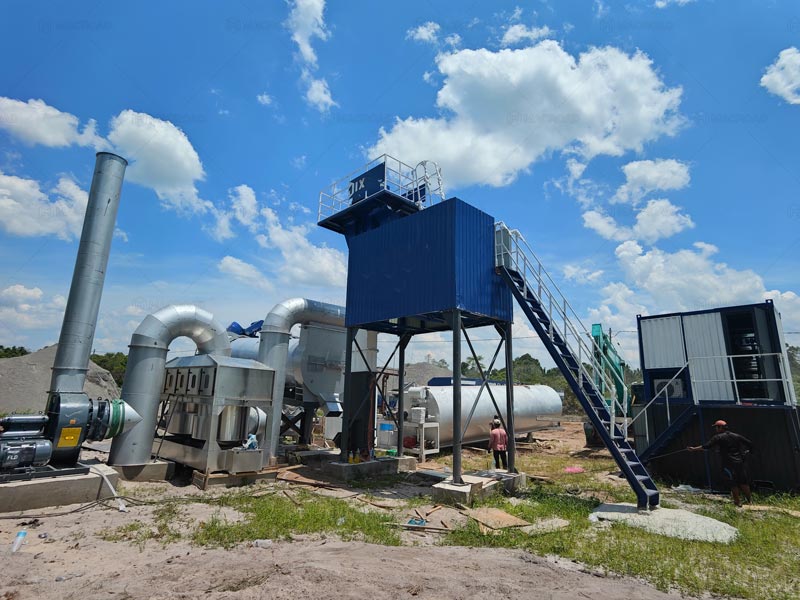
Assessing Long-Term ROI with Expert Guidance
When contractors consider buying an asphalt plant, manufacturers provide essential insights into long-term ROI. Reputable asphalt equipment manufacturers offer detailed analyses that include cost estimations, potential savings, and financial projections over the plant’s lifespan. By utilizing their expertise, contractors can better understand how varying operational efficiencies affect overall profitability.
Furthermore, these manufacturers often share case studies and historical performance data that showcase how previous buyers have achieved successful outcomes. This information can help contractors gauge the expected ROI, ensuring that their investment will yield substantial returns over time. By focusing on long-term financial implications, contractors can make strategic decisions regarding their equipment purchases.
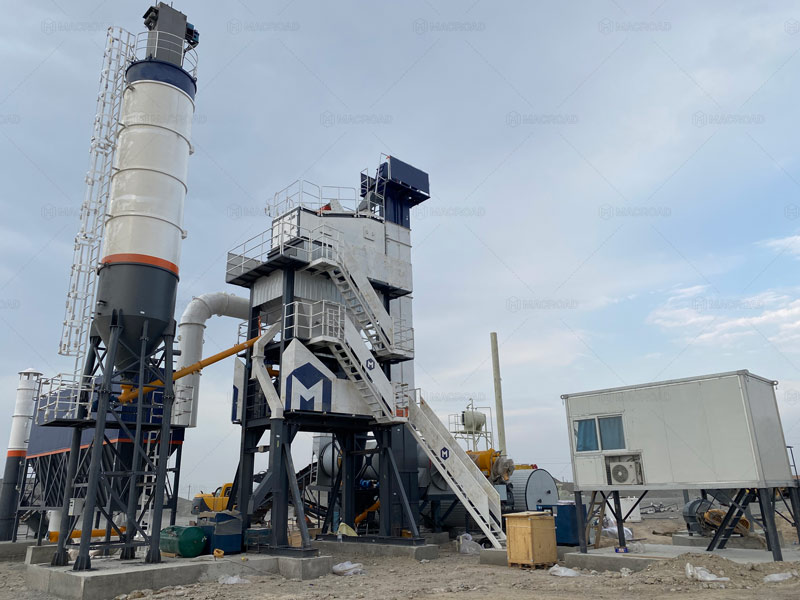
Importance of Compatibility Assessments
Before buying an asphalt plant, it’s crucial to conduct compatibility assessments between asphalt mixing plants and asphalt paving machinery. Compatibility ensures that the machinery works seamlessly together, maximizing the efficiency of construction workflows. A thorough assessment will consider aspects such as operational capacity, performance specifications, and technological integration.
To avoid costly downtime, contractors should evaluate how well the asphalt mixing plant integrates with existing asphalt paving machinery. For instance, matching the output capacity and mix specifications of both pieces of equipment is essential for maintaining consistent productivity. By ensuring compatibility, contractors can create streamlined operations that enhance the overall workflow.
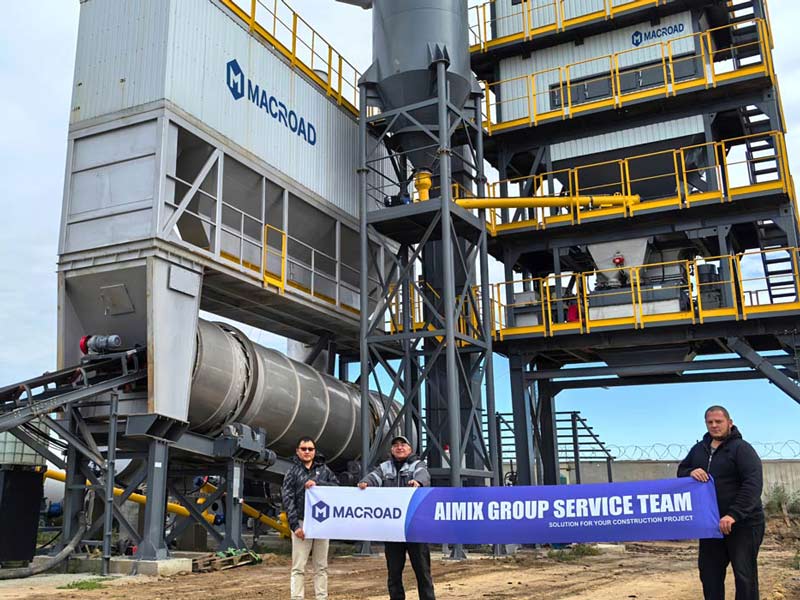
Conducting Technical Evaluations
In addition to functional compatibility, technical evaluations are necessary to ascertain the compatibility of asphalt mixing plants with asphalt paving machinery. Assessing factors such as power requirements, material handling capabilities, and technology interfaces can help identify potential issues before making a purchase.
Moreover, consulting with manufacturers can provide contractors with critical insights into the capabilities of different equipment models. Manufacturers often have extensive technical knowledge that can assist contractors in choosing equipment that meets specific project needs. This collaborative evaluation process ensures that the selected machinery will facilitate efficient road construction and maximize the benefits of the investment.
Conclusion
When planning to buy asphalt plant for large-scale highway projects, understanding the long-term ROI is essential. Reputable asphalt equipment manufacturers offer the expertise needed to evaluate financial projections accurately, helping contractors make informed decisions. Additionally, conducting compatibility assessments and technical evaluations ensures that asphalt mixing plants align effectively with asphalt paving machinery. By considering these factors, contractors can optimize their investments and achieve efficient integrated road construction workflows, ultimately leading to greater project success and profitability.