Across Latin America, road construction demand continues to rise as governments invest in highways, urban roads, mining infrastructure, and municipal paving projects. As competition becomes more intense, many contractors are looking for ways to reduce equipment investment costs while maintaining project profitability.
In this environment, low-cost asphalt equipment often appears highly attractive. However, focusing only on asphalt plant price(planta de asfalto precio) can expose contractors to serious operational, financial, and technical risks. In many cases, the cheapest equipment eventually leads to higher maintenance expenses, production instability, project delays, and lower asphalt quality.
For contractors in countries such as Mexico, Colombia, Peru, Chile, and Brazil, understanding the hidden risks behind low-priced equipment is essential for long-term business success.
Why Extremely Low Asphalt Plant Prices Can Be Misleading
Price is naturally one of the first factors contractors evaluate when purchasing an asphalt plant. However, some manufacturers reduce prices by lowering production standards, using inferior components, or simplifying critical systems.
Low Initial Cost Does Not Mean Low Operating Cost
Many contractors initially focus only on purchase cost while ignoring long-term operational expenses. A low-priced plant may consume more fuel, require frequent repairs, and generate inconsistent asphalt quality.
Over time, these hidden expenses can exceed the original savings from the lower purchase price.
Inferior Materials Reduce Equipment Lifespan
Some budget equipment suppliers reduce manufacturing costs by using thinner steel plates, low-quality burners, or weak electrical systems. Under demanding Latin American working conditions, especially in mining or high-temperature regions, such components wear out quickly.
This can result in:
- Frequent shutdowns
- Increased maintenance costs
- Reduced production efficiency
- Higher spare parts consumption
- Shorter equipment service life
The Most Common Hidden Risks Contractors Face
Understanding the most common operational problems can help contractors make smarter investment decisions.
Unstable Asphalt Quality
One major issue with poorly manufactured plants is inconsistent asphalt mixing performance. Inaccurate weighing systems, unstable burner operation, and insufficient drying capacity can directly affect asphalt quality.
Poor asphalt quality may lead to:
- Premature pavement cracking
- Road surface deformation
- Reduced pavement durability
- Higher maintenance costs for clients
For contractors working on government infrastructure projects, quality issues can also damage reputation and reduce future bidding opportunities.
Excessive Fuel Consumption
Fuel cost is a major operational expense throughout Latin America. Low-quality burner systems and inefficient drum insulation can significantly increase diesel or heavy oil consumption.
Although the original asphalt plant price may appear attractive, poor energy efficiency can quickly erode project profitability.
Limited Production Stability
Some low-cost plants struggle to maintain continuous production during long paving operations. Electrical failures, overheating systems, or poor conveyor performance can interrupt asphalt supply.
These interruptions may also affect the performance of the asphalt paver on site. When asphalt delivery becomes inconsistent, paving quality suffers, potentially creating uneven road surfaces and material waste.
Why Mobile Asphalt Plants Require Careful Evaluation
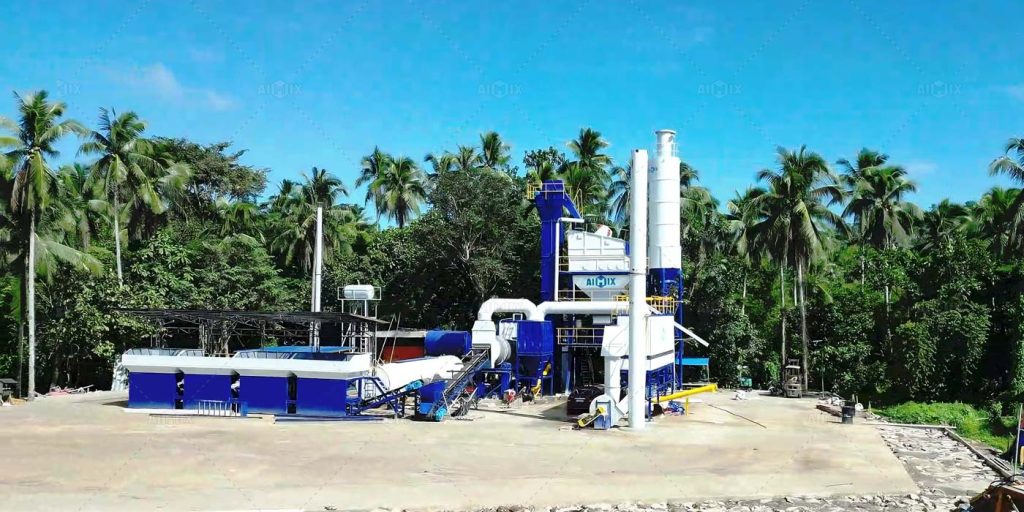
The mobile asphalt plant(planta asfáltica móvil) segment has become increasingly popular in Latin America due to its flexibility and faster relocation capability. However, contractors should carefully evaluate mobility design quality instead of focusing only on lower prices.
Poor Mobility Design Increases Relocation Problems
Some low-cost mobile plants are not truly optimized for transportation efficiency. Weak chassis structures, poorly integrated modules, and complicated installation procedures can create major difficulties during relocation.
This is especially problematic in Latin American regions with mountainous terrain or remote construction sites.
Frequent Relocation Accelerates Equipment Wear
Mobile equipment experiences more vibration and transportation stress compared with stationary systems. If manufacturers use substandard structural materials, cracks and deformation may appear after repeated transportation cycles.
Contractors should therefore evaluate:
- Steel structure strength
- Trailer design quality
- Electrical system protection
- Hydraulic system reliability
- Installation efficiency
The Importance of Reliable After-Sales Support
One of the biggest hidden risks of extremely cheap equipment is poor after-sales service.
Spare Parts Delays Can Stop Entire Projects
Many low-cost suppliers lack local service networks or regional spare parts inventory. When equipment fails, contractors may wait weeks for replacement components.
In road construction projects, downtime directly impacts project schedules and contractor profitability.
Limited Technical Support Creates Operational Risks
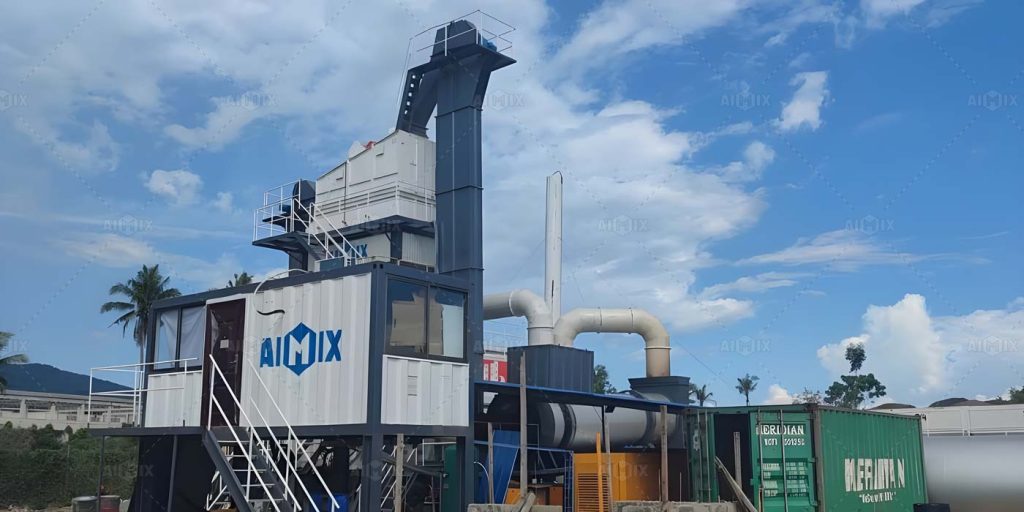
Modern asphalt plant(planta de pavimentos) systems involve burners, weighing systems, dust collectors, electrical controls, and automation software. Without professional technical support, troubleshooting becomes difficult.
Reliable suppliers typically provide:
- Operator training
- Remote diagnostics
- Installation guidance
- Maintenance support
- Technical consultation
These services significantly reduce long-term operational risks.
How Contractors Can Evaluate Equipment Beyond Price
Instead of choosing equipment based only on purchase cost, contractors should analyze total lifecycle value.
Calculate Total Ownership Cost
A proper evaluation should include:
- Fuel consumption
- Maintenance expenses
- Spare parts availability
- Production efficiency
- Equipment lifespan
- Downtime risk
In many cases, slightly higher initial investment leads to lower long-term operating costs.
Check Real Project References
Experienced contractors often request customer cases from similar Latin American markets before purchasing equipment. Real project feedback provides valuable insight into equipment reliability and service quality.
Projects operating in climates or terrains similar to the buyer’s working environment offer the most relevant information.
Evaluate Compatibility with Paving Equipment
The performance of the asphalt mixing system directly affects the efficiency of downstream equipment such as the asphalt paver(pavimentadora de asfalto). Stable asphalt supply improves paving continuity, compaction quality, and road smoothness.
Choosing reliable asphalt production equipment therefore benefits the entire paving process.
Future Trends in Asphalt Equipment Purchasing
Latin American contractors are gradually shifting away from purely price-driven purchasing decisions. Instead, buyers are increasingly prioritizing:
- Energy efficiency
- Automation technology
- Environmental protection
- Production stability
- Reliable after-sales support
As environmental regulations become stricter and infrastructure quality standards continue to rise, dependable equipment is becoming more important than ever.
Conclusion
Although low equipment prices may seem attractive at first glance, the hidden risks behind extremely cheap asphalt systems can create serious long-term problems for contractors across Latin America.
Whether purchasing a stationary system or a mobile asphalt plant, contractors should carefully evaluate manufacturing quality, fuel efficiency, structural durability, service support, and operational stability instead of focusing only on asphalt plant price.
By making more strategic investment decisions, contractors can reduce project risks, improve pavement quality, and achieve stronger long-term profitability in an increasingly competitive construction market.