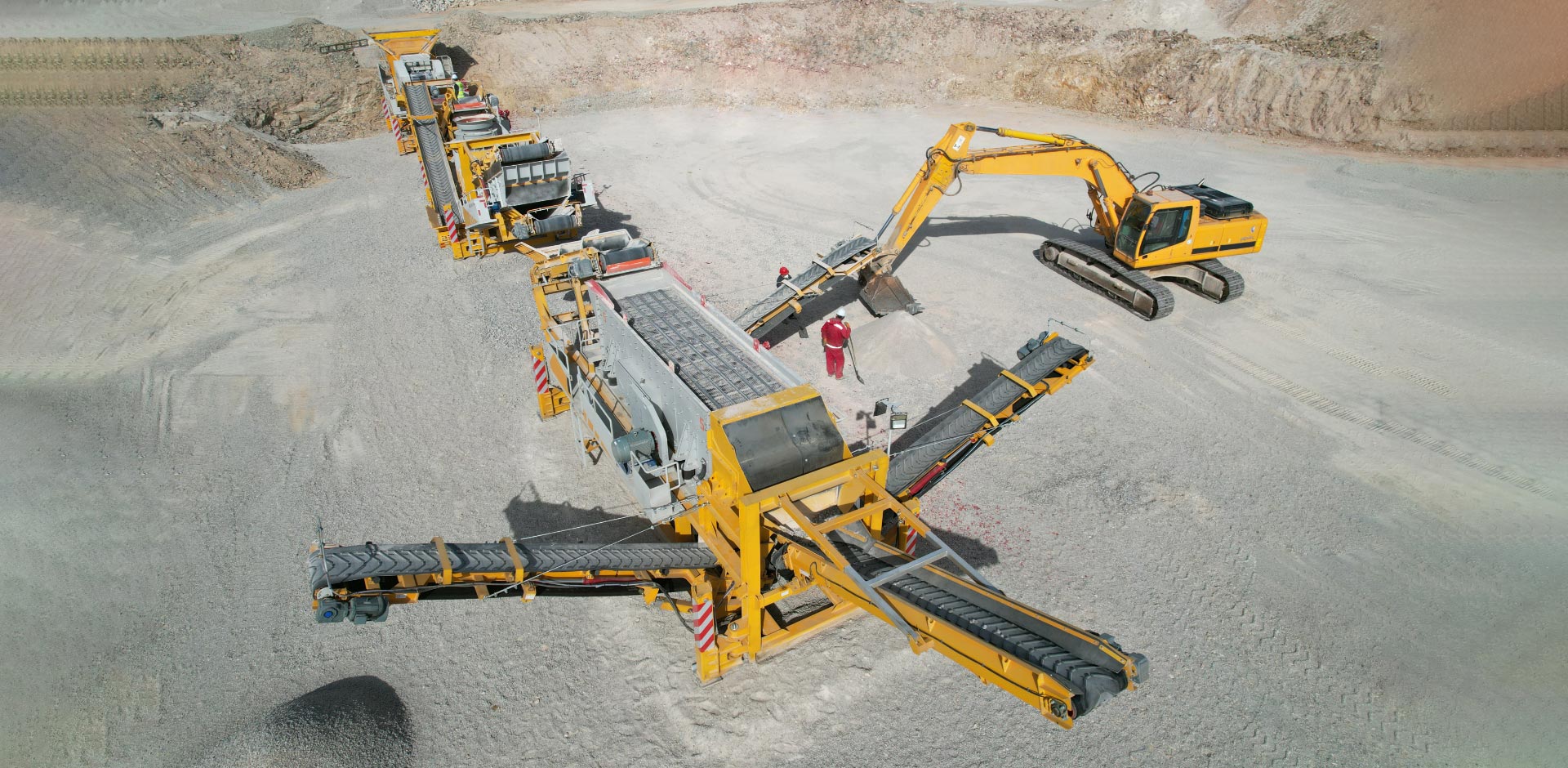
In the capital-intensive world of aggregate production, purchasing a stone crusher machine is far more than a simple transaction—it is a strategic investment that can influence operational performance for years to come. Stone crusher prices often fluctuate based on technical specifications, manufacturing quality, and the buyer’s negotiation strategy. Many purchasers accept initial quotations at face value, overlooking opportunities to extract additional value. A disciplined, informed approach, however, can unlock better pricing, stronger service agreements, and long-term operational advantages.
Understanding Pricing Dynamics
A clear grasp of pricing dynamics forms the bedrock of successful negotiation. Stone crusher machine costs are shaped by a multitude of interdependent variables, each contributing to the final quotation in subtle yet meaningful ways. The quality of raw materials, the precision of manufacturing processes, and the level of technological integration all exert considerable influence. Machines built with high-grade alloys and engineered with advanced design principles tend to command higher prices, yet they often deliver superior durability and operational efficiency.
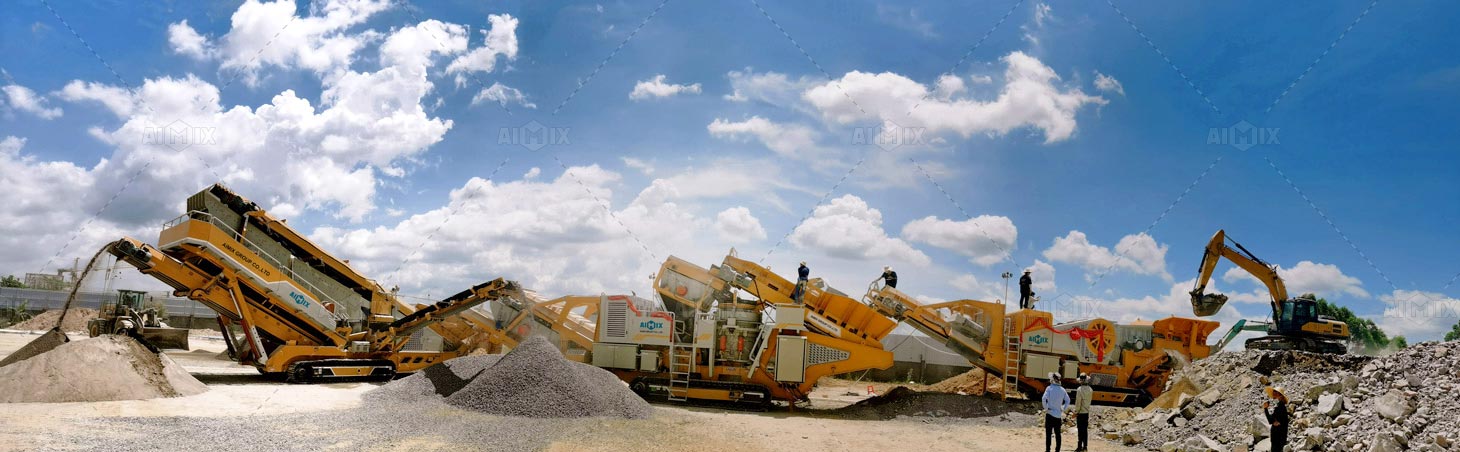
Specifications also play a decisive role. Capacity, feed size, output consistency, and automation features directly affect pricing structures. A high-capacity stone crusher machine intended for continuous industrial use will inevitably cost more than a smaller unit designed for intermittent operations. However, evaluating cost in isolation can be misleading. Lifecycle value—encompassing maintenance, downtime, and productivity—offers a more accurate measure of true expense.
Hidden costs frequently complicate purchasing decisions. Expenses related to transportation, installation, commissioning, and operator training can significantly increase the overall investment. Additionally, spare parts availability and after-sales support often carry implicit costs that are not always disclosed upfront. A vigilant buyer examines these elements thoroughly, ensuring that the quoted price reflects a comprehensive package rather than a fragmented offering.
Value components deserve equal attention. Extended warranties, technical assistance, and performance guarantees can add substantial worth to the purchase. Recognizing and negotiating these elements transforms the conversation from a narrow focus on price to a broader evaluation of total value.
Preparing for Effective Negotiation
Preparation is the unseen force that determines negotiation outcomes. Entering discussions without sufficient knowledge places buyers at a disadvantage, often resulting in less favorable agreements. Conducting thorough market research is essential. Understanding prevailing price ranges and identifying reputable manufacturers provides a solid foundation for negotiation.
Supplier benchmarking goes beyond comparing numbers. It involves evaluating manufacturing capabilities, quality certifications, and customer feedback. A supplier with slightly higher pricing may still represent better value if their machines demonstrate superior longevity and reduced maintenance requirements. This perspective helps avoid the common pitfall of prioritizing low upfront costs over long-term performance.
Defining operational requirements with precision is equally critical. Vague or incomplete specifications can lead to misaligned proposals and unnecessary cost escalations. Buyers must clearly outline their production needs, including desired capacity, material characteristics, and site constraints. This clarity enables manufacturers to propose tailored solutions, minimizing the risk of costly adjustments later.
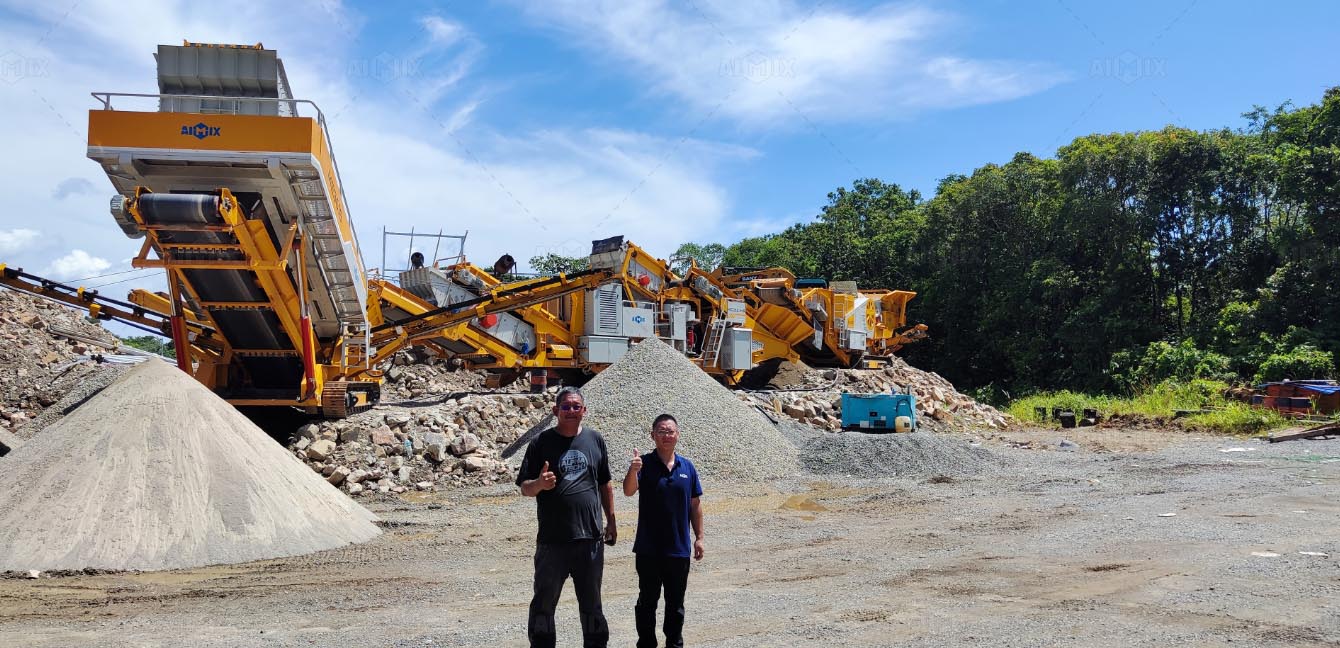
A well-defined requirement profile also strengthens negotiating leverage. Crushing plant suppliers are more likely to offer competitive terms when they recognize that the buyer is informed and decisive. This perception reduces uncertainty and encourages more favorable proposals.
Proven Negotiation Techniques
Effective negotiation combines analytical rigor with strategic communication. One of the most impactful techniques involves leveraging volume and timing. Committing to larger orders or establishing the potential for repeat business can incentivize manufacturers to provide discounts. Similarly, negotiating during slower market periods may yield better terms, as suppliers seek to maintain production continuity.
Creating a competitive environment is another powerful approach. Engaging multiple suppliers simultaneously encourages them to present their most competitive offers. This strategy must be executed with professionalism and transparency to maintain credibility and foster constructive relationships.
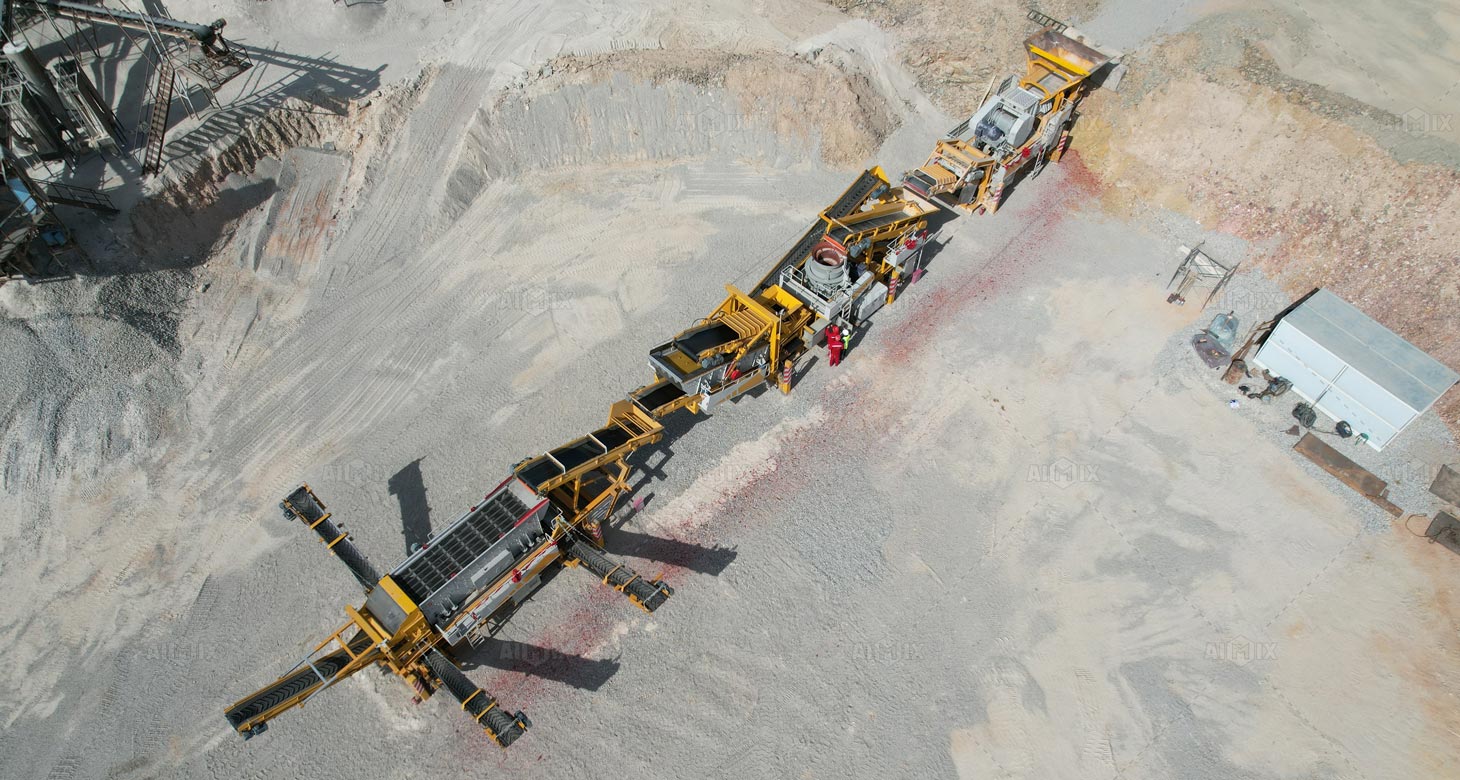
Timing within the negotiation process also matters. Introducing key constraints—such as budget limitations or delivery deadlines—at strategic moments can influence the direction of discussions. For instance, expressing strong interest in a specific aggregate crushing machine before discussing budget constraints can prompt suppliers to explore creative pricing solutions or value-added concessions.
Focusing on value beyond the base price often delivers the greatest benefits. Instead of pursuing discounts alone, buyers can negotiate for additional advantages such as extended warranties, complimentary spare parts, or on-site training. These inclusions often provide significant operational value while representing manageable costs for the manufacturer.
Flexibility further enhances negotiation outcomes. Being open to alternative configurations, delivery schedules, or payment structures can create opportunities for mutually beneficial agreements. Successful negotiation is not adversarial; it is a collaborative process aimed at aligning interests.
Finalizing the Deal and Ensuring Long-Term Value
Closing the deal requires careful attention to detail and a commitment to clarity. Every negotiated term should be explicitly documented within the contract to prevent misunderstandings. Ambiguous language can lead to disputes, undermining the advantages secured during negotiation.
Payment terms deserve particular scrutiny. Structuring payments around project milestones can reduce financial risk while ensuring accountability from the supplier. Delivery timelines and performance benchmarks should also be clearly defined, providing measurable standards for evaluating success.
Post-purchase considerations are just as important as the initial agreement. Establishing a robust after-sales support framework ensures that the machine operates efficiently throughout its lifecycle. Access to spare parts, regular maintenance, and technical support are essential components of sustained performance.
Building a strong relationship with the manufacturer can yield long-term advantages. Trust and mutual respect foster cooperation, enabling smoother communication and preferential treatment in future transactions. This relational foundation often proves invaluable when addressing unforeseen challenges or seeking expedited support.
Ultimately, negotiating the price of a stone crusher machine is a multifaceted endeavor that extends beyond securing a lower figure. It requires a comprehensive understanding of market dynamics, diligent preparation, and strategic execution. By adopting a value-oriented approach and applying proven techniques, buyers can achieve agreements that reduce costs, enhance operational efficiency, and deliver enduring benefits.