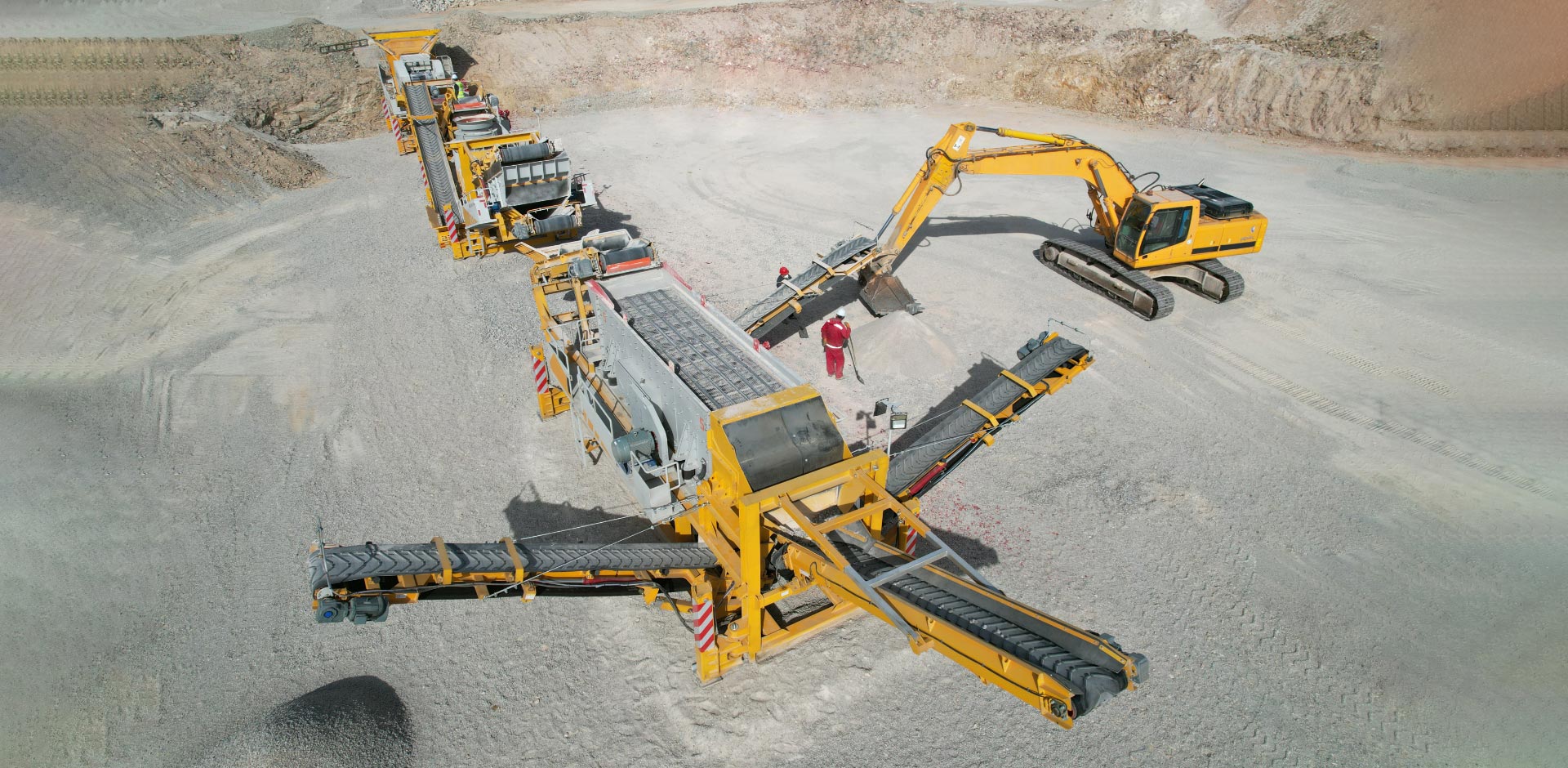
Sand and aggregate production forms the backbone of the global construction industry. Every road, bridge, and building relies on these high-quality raw materials. Therefore, producers must constantly find ways to improve their crushing efficiency. This guide offers practical strategies to optimize your daily aggregate operations.
Selecting the Right Equipment for Aggregate Processing
Different geological deposits require specific crushing technologies to yield high-quality products. For example, processing hard river stone requires highly durable components. Conversely, processing soft limestone requires less impact force. Therefore, matching the material hardness to your machinery is essential.
Many quarries utilize a heavy-duty gravel crusher machine to handle coarse primary materials. This equipment reduces large boulders into smaller, manageable fragments.
Additionally, these machines prepare the material for secondary sorting and washing stages. This step ensures that the final crusher aggregate meets strict local building codes.
Processing Unique Materials Like Marble
Sometimes, projects require processing specialized stones for high-end construction applications. For instance, crushing marbles requires careful handling to prevent excessive powder generation. You must adjust your crusher settings to maintain a consistent output size. This careful adjustment maximizes your overall profit margins.
The Advantages of Mobile Crushing Technology
Stationary plants offer high capacity but lack flexibility on changing job sites. Therefore, mobile crushing units have become highly popular among modern contractors. These portable machines allow operators to process materials directly at the source. Consequently, you reduce hauling costs and fuel consumption significantly.
For rugged terrain, a tracked jaw crusher offers outstanding mobility and steady performance. This machine crawls over uneven quarry floors without requiring a concrete foundation. Moreover, you can set up the equipment in less than thirty minutes. This rapid setup saves valuable time during tight project schedules.
Integrating Screening Systems with Mobile Crushers
A mobile crusher works best when paired with an efficient screening unit. Screens separate the crushed stones into different size categories automatically. Therefore, you can produce sand and coarse aggregate simultaneously. This dual production increases your daily revenue streams.
Practical Tips to Improve Daily Sand Production
Sand production requires careful monitoring of the moisture levels in your raw feed. Wet sand often sticks to conveyor belts and clogs sizing screens. Therefore, you should store your raw materials in a covered, dry area. Dry materials flow much faster through the processing plant.
Additionally, you must regulate the feed rate into your crusher consistently. Overfeeding the machine causes frequent blockages and unexpected downtime. Conversely, underfeeding wastes electrical energy and lowers your hourly output. Use automated feeders to maintain a perfectly balanced material flow.
Essential Maintenance Routines for Crushing Equipment
Regular maintenance is crucial to protect your machinery from costly mechanical breakdowns. Daily wear from abrasive stones will eventually degrade even the strongest steel parts. Therefore, your operators must follow a strict daily inspection checklist. This preventive habit extends the lifespan of your entire plant.
First, lubricate all moving bearings and joint connections every morning. Proper lubrication prevents friction damage and dangerous heat buildup. Second, inspect the wear plates and replace them before they damage the machine frame. This simple task saves thousands of dollars in repairs.
Environmental and Safety Standards in Aggregate Quarries
Modern aggregate production sites must actively manage their environmental footprint. For example, dust emissions can harm worker health and anger nearby communities. Therefore, you should install water spray bars at key discharge points. These sprayers suppress airborne dust particles effectively.
Furthermore, enforce strict safety protocols for all workers on the site. Operators must wear proper safety gear, including hard hats and protective eyewear. Establish clear communication signs around moving machinery to prevent avoidable accidents. A safe job site is always a more productive one.